As a fresh consultation on glyphosate is about to be launched and the continuing debate about the future of vegetation management, the Amenity Forum has called for Integrated Pest Management to remain at the heart of future decision-making.
Public interest in how parks, highways, rail corridors, housing estates, sports facilities and public open spaces are managed continues to grow.
The Amenity Forum says such spaces play an important role in communities and there is growing expectation that they should be managed in ways that protect biodiversity, minimise environmental impact and contribute to wider sustainability goals.
However, it maintains that as the debate can sometimes become polarised - framed as a simple choice between chemical and non-chemical approaches – it is increasingly important that the wider public and decision-makers are aware that the reality is far more complex.
“The amenity sector is incredibly diverse,” explained Ian Graham, Chairman of the Amenity Forum. “The challenges faced by a local authority managing thousands of miles of pavement are very different from those faced by a golf course, sports club, rail operator, utility company or housing provider. What they have in common is a responsibility to maintain spaces that are safe, accessible, functional and sustainable. This is where Integrated Pest Management plays a vital role.
“IPM is often misunderstood as simply reducing pesticide use. In practice, it is about making evidence-based, site-specific and proportionate decisions. It encourages managers to consider a range of approaches, including prevention, design, maintenance practices, monitoring, mechanical control and biological solutions, before deciding whether intervention is required and, if so, what form that intervention should take. Importantly, IPM is not about replacing one tool with another. It is about understanding the strengths and limitations of all available options and selecting the most appropriate combination for a particular situation.
“Across the amenity sector, many organisations are already making significant progress. Herbicide use is being reduced through targeted application, improved mapping technologies, revised maintenance regimes and greater tolerance of low-risk vegetation where appropriate. The sector is increasingly focused on justifying treatment decisions rather than relying on routine applications. Training, operator competence and record keeping are also becoming increasingly important in demonstrating stewardship and maintaining public confidence.
“Preventative maintenance has an important role to play. Sweeping and brushing programmes can help reduce the build-up of detritus that encourages weed establishment on hard surfaces. Good design, improved drainage and proactive maintenance can all reduce the need for intervention over time.
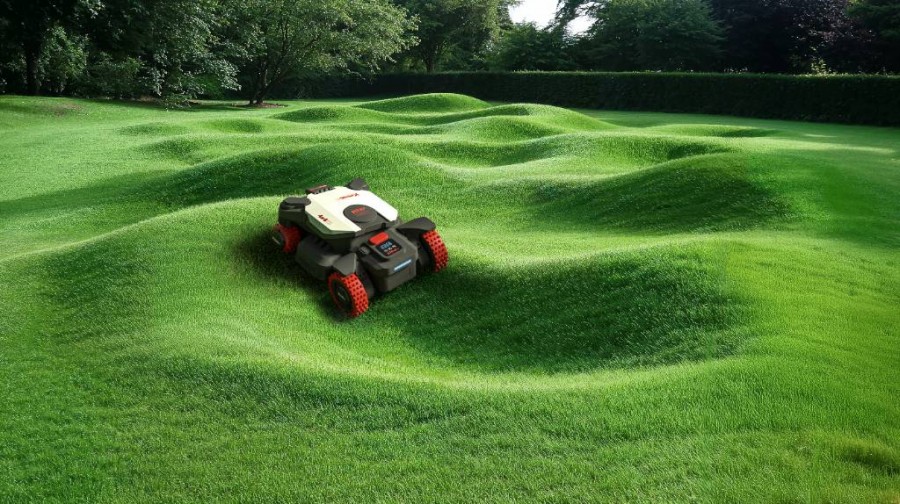
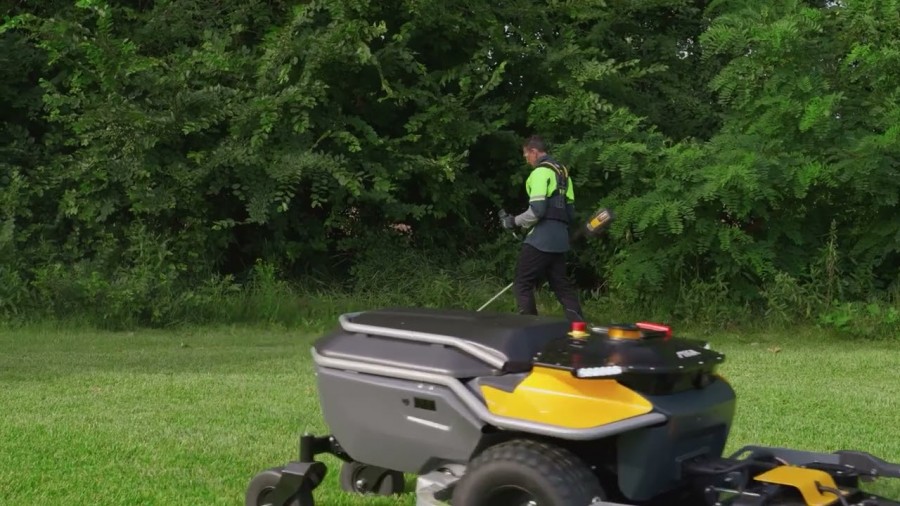
“There is also strong interest across the sector in technologies such as hot water, foam, electricity, robotics and other non-chemical approaches. Many of these have an important role to play and continue to evolve. However, their effectiveness can vary depending on timing, weather conditions, surface type, frequency of treatment and available resources. Questions also remain around scalability, consistency, cost and, in many cases, carbon impact. In most situations, particularly where invasive or injurious weeds are involved, practical alternatives remain limited. The question is therefore not whether a solution is chemical or non-chemical, but which combination of tools delivers the safest, most practical and most sustainable outcome.”
The amenity sector also faces the challenge of balancing environmental ambition with operational and financial realities, he continued. Local authorities, contractors and land managers are under increasing pressure to deliver high standards of maintenance while managing constrained budgets and growing public expectations.
“Experience across the sector has shown that there is no single solution suitable for every location,” he added. “While some organisations have successfully reduced glyphosate use, others have reported increased costs, greater resource requirements and less effective vegetation control, highlighting the importance of retaining flexibility to use the most appropriate combination of tools for individual sites.
“It is also worth remembering that glyphosate remains one of the most extensively studied and scrutinised plant protection products in the world. Its approval is subject to rigorous scientific assessment by independent regulatory authorities, which continually review evidence relating to human health and environmental safety.
“As the industry prepares for the forthcoming GB glyphosate consultation, the Amenity Forum believes future decisions must be informed by robust evidence, practical experience and operational data.
“Environmental considerations are critically important, but they must be considered alongside public safety, accessibility, affordability and long-term sustainability.”
These themes will be explored further at the Amenity Forum Annual Conference and Dinner on 7–8 October at Ashorne Hill & British Motor Museum, Warwickshire, where delegates will discuss the future of Integrated Pest Management and consider how the sector can continue to evolve in a responsible and practical way.
The Amenity Forum looks forward to engaging constructively with the consultation process and helping to ensure that the sector’s practical experience, commitment to professional standards and adoption of Integrated Pest Management are reflected in future policy discussions.