As prolonged hot, dry weather continues across the UK and some water companies begin introducing Temporary Use Bans (commonly known as hosepipe bans), the Arboricultural Association is encouraging people to understand how drought affects trees, and how to protect them.
While protecting water supplies is essential during periods of drought, experts say it is equally important that people understand the needs of trees, particularly young and recently planted ones, and check the specific guidance issued by their water supplier.
Many water companies provide exemptions or advice relating to watering newly planted trees and other essential vegetation.
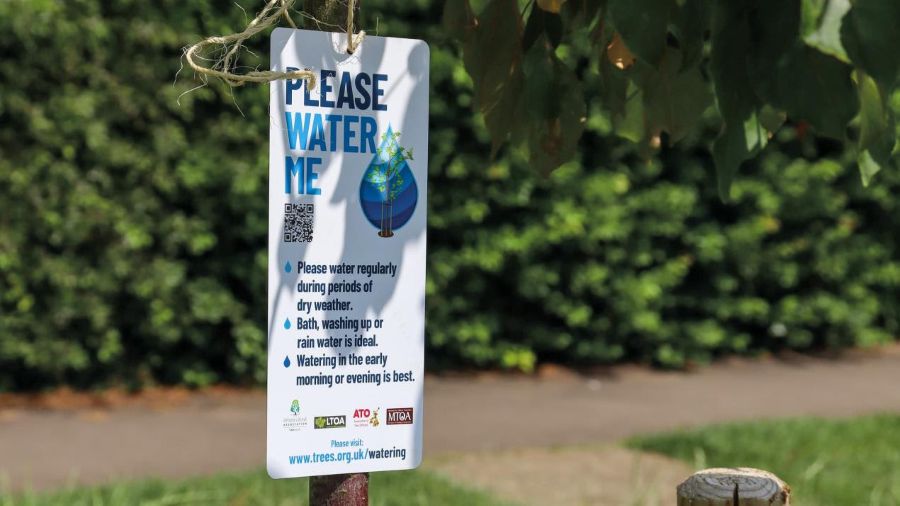
The Arboricultural Association has published expert guidance explaining how drought affects trees of all ages, how to recognise the signs of drought stress, and the practical steps homeowners, land managers and local authorities can take to help trees withstand increasingly frequent periods of hot, dry weather. This includes making use of rainwater or suitable recycled water wherever possible; such as captured rainwater, water butts and suitable grey water, such as cooled bath water or washing-up water.
Drought stress can cause symptoms including premature leaf drop, smaller leaves, thinning canopies and dieback. Although these symptoms may appear alarming, they are often a natural response that allows trees to conserve water. However, prolonged or repeated drought can weaken trees over time, making them more susceptible to pests, diseases and other environmental pressures.
The guidance explains that not all trees respond to drought in the same way. Young trees and recently planted specimens remain the most vulnerable, but mature trees growing in shallow soils, confined urban environments or areas with limited rooting space can also experience significant stress during extended dry periods.
The Arboricultural Association advises against making unnecessary interventions such as excessive pruning during drought, as this can place additional stress on already vulnerable trees. Instead, tree owners should focus on good long-term management, including watering newly planted trees where appropriate, protecting rooting areas from soil compaction and avoiding damage around the base of trees.
The latest guidance also highlights the wider role trees play in helping communities adapt to climate change. Healthy trees provide shade, reduce the urban heat island effect, improve air quality, intercept rainfall and help manage surface water - making them an essential part of creating more resilient towns and cities.
As temperatures continue to rise, looking after existing trees is just as important as planting new ones. Protecting the trees we already have will help ensure they continue providing environmental, economic and social benefits for generations to come.
The Arboricultural Association's drought guidance is available at:
https://www.trees.org.uk/Help-Advice/Tree-Care-Campaigns/Watering-Young-Trees/Trees-and-Drought