Plant nutrition can be optimised by helping turf grass to utilise more from fertilisation.
This, suggests Agronomist Kate Finlayson, can be achieved by incorporating silicon into grounds care maintenance routines.
“Silicon is not always discussed in the same way as nitrogen, potassium, calcium, magnesium or iron, but I think that is changing,” she says. “In elite turf, the question is not just what has been applied. It is whether the plant can actually use that nutrition effectively and turn it into performance.”
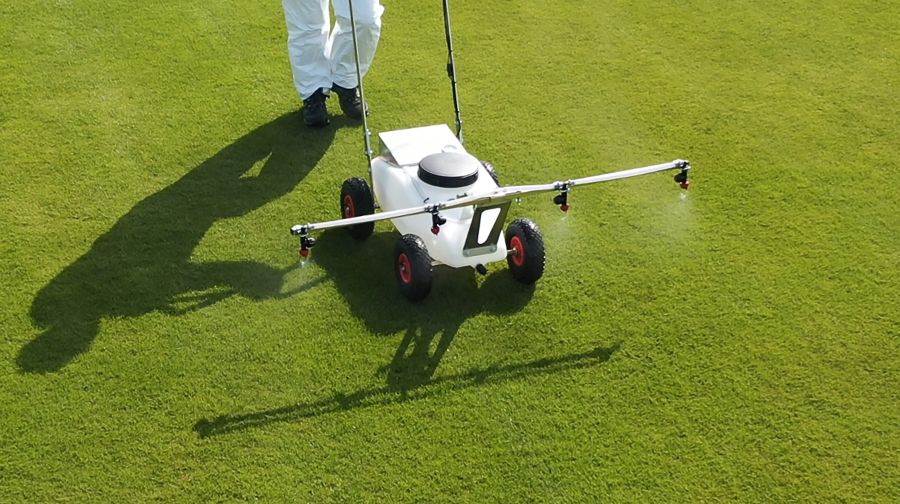
Granular fertilisers, foliar feeds and soil drenches all remain essential tools for professional grounds teams. Granular fertilisers provide the nutritional foundation, foliar nutrition allows more targeted support when a faster response is required, and soil drenches can focus activity in the rootzone.
Plant-available silicon sits alongside these approaches. Its role is not to replace existing nutrition, but to help strengthen the plant and support more efficient use of the programme already in place.
“A nutrition programme is only as effective as the plant’s ability to access and use the nutrients available to it,” says Kate. “If rooting is weak, uptake is restricted. If the plant is under stress, nutrient assimilation can be compromised. If photosynthesis is limited, the plant has less energy available for recovery and growth. That is particularly relevant in stadium turf, where light, temperature, wear and recovery windows are constantly changing,” she adds.
Plant-available silicon is associated with stronger cell walls, improved leaf rigidity and greater tolerance to wear and environmental stress. In practical turf terms, this can support a tougher plant that is better able to tolerate mowing, play, divoting and short recovery windows.
Recovery is where Kate believes silicon becomes especially relevant. “After play, the turf plant has to rebuild damaged tissue, maintain density, continue producing new roots and shoots, and restore surface integrity. Nutrition is central to that process, but the plant has to be in a position to use the nutrients being supplied. That is where plant-available silicon can add value,” she says.
Trial work carried out with the STRI, using Orion Future Technologies’ plant-available silicon, Fossil, showed improved uptake of several key nutrients. In the turf data, the most relevant responses were silicon, calcium, iron and magnesium. Kate says that profile matters because each nutrient links directly to turf performance.
“Silicon supports structural strength. A plant with stronger cell walls and improved rigidity is better equipped to tolerate wear and maintain leaf quality. Calcium is essential for actively growing tissue, particularly root tips, shoot tips and new leaf growth. In sports turf, that links directly to recovery because the plant needs to rebuild damaged tissue and keep producing new roots and shoots after play. Iron supports chlorophyll function, colour and plant performance, while magnesium sits at the centre of the chlorophyll molecule and is essential for photosynthesis. That is particularly relevant where light is restricted, such as shaded stadium environments or winter periods,” she says
She further suggests that silicon should not be treated as a standalone input and instead should be considered as part of the wider nutrition strategy.
“Traditional fertiliser planning often focuses on what is being applied: nitrogen levels, potassium balance, iron source, foliar mix or rootzone treatment. Those questions still matter, but the next question is how effectively the plant is using that nutrition,” she says.
For top-end venues, sustainability is also becoming a bigger part of the nutrition conversation. The focus is not simply on reducing fertiliser inputs, but on demonstrating that nutrition is being managed intelligently, with a clear link between inputs, plant response and surface performance.
“Silicon should not sit outside the nutrition programme, it should be built into it with a clear objective,” adds Kate.
She suggests potential outcomes could include improved recovery in high-wear areas, better rooting in restricted zones, support during periods of shade, or helping the plant cope when recovery windows are tight.
“The most effective approach is targeted and measurable. Using tissue analysis, visual assessment, recovery observations and surface performance data will help understand the response,” she says.
Plant-available silicon provides a way to strengthen the link between nutrition and performance. By supporting plant structure, nutrient uptake and recovery, it can help grounds teams get more value from granular fertilisers, foliar feeds and soil drenches.
“In modern sports turf management, nutrition is no longer just about feeding the plant, it’s about building a stronger, more resilient plant system,” she concludes.