As Britain moves from prolonged drought towards potentially wetter weather, Wildflower Co. says the answer to climate extremes lies in creating landscapes that can cope with both - and that biodiversity should be at the heart of the UK's climate adaptation toolkit.
After weeks of drought and exceptionally dry conditions, rainfall will be welcomed across Britain's farms, gardens and countryside. But for parched soils and stressed ecosystems, heavy downpours can bring new challenges - including surface run-off, soil erosion, flooding and pollution entering waterways.
For biodiversity specialist Wildflower Co., the dramatic shift highlights a growing need to manage landscapes for both too little and too much water.
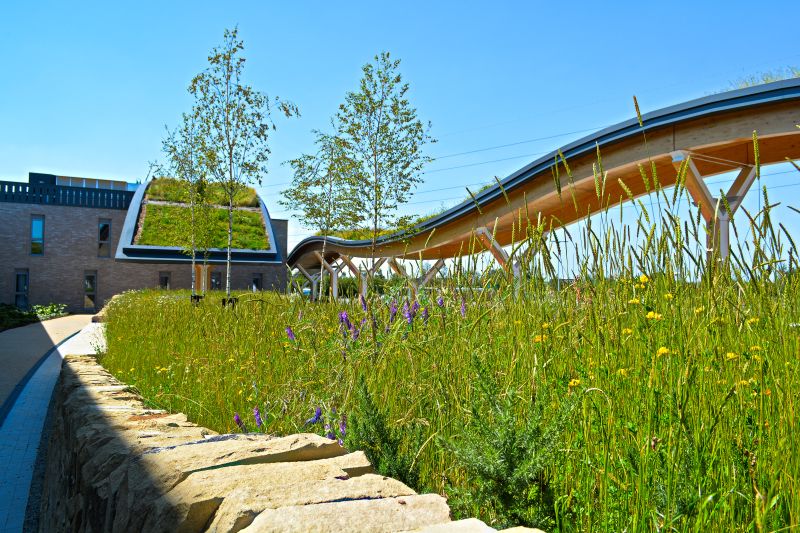
Image: Wildflower Co.’s award-winning wildflower green roof at Leeds Skelton Lake Services.
James Hewetson-Brown, Managing Director of Wildflower Co. says: "We can't control the weather, but we can change the way we manage the land so it is better equipped to cope with it."
"Biodiversity shouldn't be seen as something separate from climate adaptation. Healthy soils and diverse plant communities can help landscapes absorb and retain water, support wildlife and recover from periods of environmental stress."
Wildflower-rich landscapes, including green roofs, diverse grasslands, hedgerows, wetlands and healthy soils can all help to create a more resilient landscape and prevent flooding.
Deep-rooted plants with extensive root systems can help improve soil structure and infiltration, while vegetation cover helps reduce erosion. Diverse habitats also provide food and shelter for pollinators, birds and other wildlife, helping ecosystems withstand environmental pressures.
Wildflower Co. says we need to rethink the surfaces we create across our towns, cities and developments - including roofs. Unlike conventional impermeable roofs, green roofs can capture and temporarily store rainfall, reducing and slowing run-off into drainage systems while delivering wider environmental benefits.
The approach is relevant across the landscape, from farmland and large estates to gardens and public spaces.
Farmers and landowners can:
- Improve soil health and organic matter to increase water retention.
- Keep soil covered with crops, grass, cover crops and diverse field margins.
- Create wildflower-rich buffers alongside watercourses to help slow run-off.
- Introduce ponds, wetlands, hedgerows and other features that retain water.
- Increase habitat diversity rather than relying on a single land use.
Gardeners can:
- Give drought-stressed perennial plants time to recover before replacing them.
- Improve soil with organic matter and mulch to retain moisture.
- Plant diverse, drought-resilient species that support pollinators.
- Create rain gardens or ponds to capture rainfall.
- Replace some intensively managed lawn with wildflower-rich planting.
James adds: "The lesson from this summer isn't simply that Britain needs more rain or better drought protection, it's that we need landscapes capable of responding to both extremes. Every field margin, meadow, garden and public space can play a part in creating healthier, more resilient landscapes."