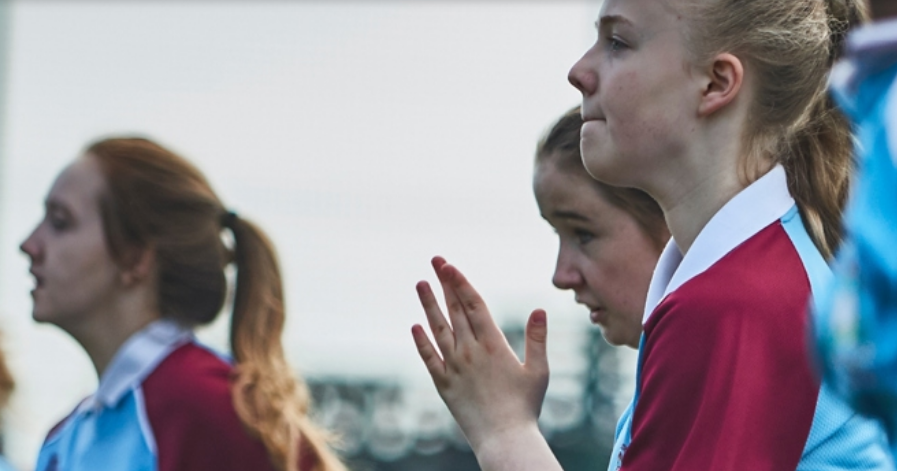
The latest Youth Sport Trust Girls Active survey shows gendered attitudes are highest among younger primary pupils, and fewer than half of girls believe they have equal access to sport at school.
The Girls Active survey, which explores young people’s experiences and attitudes in the UK towards PE, physical activity and sport, found the proportion of boys believing “some sports are for boys and some sports are for girls” has steadily risen from 35% in 2023/24 to 41% in 2025/26.
Among girls, agreement has also increased from 20% to 25%. Agreement with the statement is highest among children aged 7 to 9 years old, with almost half of boys at this age agreeing.
The findings highlight how experiences, attitudes and the influence of others shape children's perceptions, thereby highlighting the important role schools can play in challenging these stereotypes.
Creating positive experiences of a wide range of sports from an early age can help ensure children do not feel limited by gendered expectations.
The research also suggests gender stereotypes are reinforced by girls’ experiences of unequal access to sport and physical activity at school:
- Only around half of girls feel they have the same access to space and equipment outside of PE as boys.
- Only around half feel they have the same opportunity as boys to do the sports and activities they want to outside of PE.
- And fewer than half of girls feel they have the opportunity to take part in the same range of sports and activities as boys in PE.
Overall, more than half (56%) of boys believe girls’ and boys’ sport are seen as equally important, compared with just 39% of girls.
Ali Oliver MBE, Youth Sport Trust CEO, said “The achievements of elite athletes over the course of 2026 have been utterly inspiring, however, the success of our national teams and athletes alone are not enough to change the everyday experience of young women and girls. It’s really concerning our latest Girls Active Survey results reveal a growing trend for girls and boys to see some sports belonging to a single gender. This can result in young people internalising harmful stereotypes from a young age limiting their aspirations, ambitions and experiences.
“It would be easy to blame growing divisive ideologies we know are gaining traction and targeting young people online, but I think those of us leading, teaching and coaching sport have to ask ourselves whether we are doing enough to tackle gender stereotyping, and ensure opportunities are accessible, inclusive and available for all young people.
“The systemic change we need starts at home and in school, through beliefs, attitudes, and equal access and opportunity for girls. We must also design sport and physical activity around girls’ needs and include their voices in shaping all aspects of participation.”
The research comes as Youth Sport Trust prepares to support the launch of the Equal Sport Project, a new UK-wide sporting sector commitment to advancing equality in women and girls’ sport.
Stephanie Hilborne OBE, Chief Executive of Women in Sport, said, "It's deeply disheartening to read this research. Urgent action is needed to give girls a fair chance. It is not acceptable to sit back and watch the gender divide between children continue to grow when it comes to sport. Sport is not a side issue, it is a fundamental right and has huge value for educational attainment, mental and physical health, and developing skills for life. We need to see more girls-only time for sport, as well as better designed and actively managed mixed classes.
"We must break the cycle of harmful and limiting gender stereotypes we have all grown up with, or girls will continue to miss out on the joy of sport, face disproportionate mental illness and have weaker bones for later life.
"There is reason for hope. No child is born believing girls don't belong in certain sports. These ideas are learned, which means they can be unlearned. Firstly, we must unlearn them ourselves."