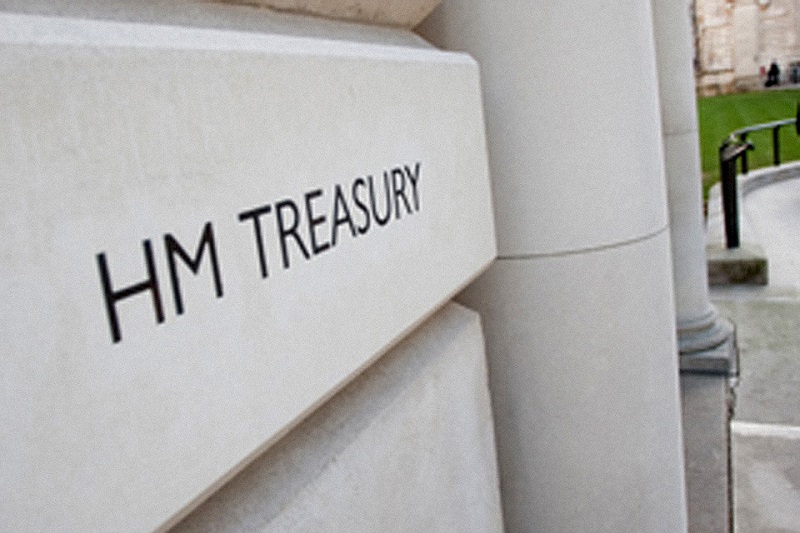
Chancellor John Healey has set out the government's tax and spending plans in his Budget – the first since Andy Burnham became Prime Minister.
The industry has given a guarded but mainly positive response to the plans, albeit with the criticism that in many instances the Budget could have gone much further in its level of support for different sectors.
The Chancellor’s statement included measures intended to support business growth, stimulate development and improve access to employment opportunities. For the UK landscaping industry, these announcements offer potential benefits, particularly through a streamlined planning process, fertiliser tariff removal and increased support for apprenticeships, such as £100 million for a "matching" scheme, as well as the continued freeze to fuel duty.
BALI welcomes these developments, having actively called for faster planning processes in its pre-Budget letter to the Chancellor and previously campaigned for increased funding for apprenticeship access grants and making it easier for landscaping businesses to access interested apprentices. Both measures have the potential to help landscaping businesses overcome barriers to growth, develop the skills they need, and bring new talent into the industry.
However, BALI believes further action is needed to address the cumulative financial pressures facing small and medium-sized enterprises (SMEs). These businesses represent over 90% of BALI members, many of which continue to navigate rising employment costs, material prices and wider operational expenses.
BALI recognises the importance of increases to the National Living Wage and National Minimum Wage in helping people meet the cost of living and ensuring that work pays. However, these increases also create additional costs for employers, particularly labour-intensive landscaping businesses.
Wayne Grills, Chief Executive, BALI, said: “With previous increases in employer National Insurance contributions adding to the financial burden on businesses, BALI is concerned that insufficient attention has been given to how SMEs can absorb these cumulative pressures while continuing to invest, recruit and grow. Supporting workers and supporting the businesses that employ them must go hand-in-hand. Sustainable growth requires a business environment in which landscaping employers can offer fair wages while maintaining viable operations and delivering high-quality services.”
The Horticultural Trades Association (HTA) has responded to today’s budget, welcoming targeted measures such as changes to the Small Business Rate Relief, but says the Chancellor has missed an opportunity to do more to ease the cost of doing business and give environmental horticulture businesses the confidence to invest and grow.
Fran Barnes, the HTA’s Chief Executive, commented: “The Chancellor described the Budget as being ‘for the working people of Britain, for British businesses, big and small’ and said he wanted to give businesses breathing space on the cost of doing business. While there are some welcome announcements, overall the Budget falls short of the action needed to back British businesses, particularly smaller businesses which are the backbone of our economy.
“More than 90% of HTA member businesses are SMEs, many of them family-run. Together, they are an important part of the UK economy, with environmental horticulture contributing £38 billion to UK GDP and supporting 722,000 jobs. Yet our members are weathering a perfect storm of rising costs, climate pressures and uncertainty, all of which affect their confidence and ability to invest, employ and grow.
“Rising employment costs, energy bills, business rates and regulatory pressures remain some of the biggest concerns for our members. Employer National Insurance Contributions (NICs) and increases to the National Living Wage are estimated to add £134 million a year to our sector’s costs. Our sector has ambitions to grow and a workforce is essential to do that – however, the further 3.9% increase in the National Living Wage announced in this Budget will make it increasingly difficult for businesses to absorb rising payroll costs while remaining competitive, protecting jobs and returning to profitability in the context of the wider cost pressures businesses have had to absorb. We continue to urge the Chancellor to reduce wider employment cost pressures on industry, including reversing the increase in employer NICs and reviewing the Employment Rights Act. We are disappointed that this broader action has not been delivered.
“We welcome the increase in the Small Business Rate Relief threshold to £18,000 for qualifying retail, hospitality and leisure businesses. This should provide welcome support and some certainty on future costs for eligible garden centres over the next two years, but it will not benefit every business or premises across our diverse sector. Extending the fuel duty freeze and removing import tariffs on fertilisers are further positive steps that can help some businesses manage operating costs. However, these targeted measures do not go far enough to address the cumulative pressures facing our sector.
“The UK-EU Summit on 20 November presents an important opportunity to build on the government’s recent action on tariff suspensions and reducing red tape and secure a meaningful Sanitary and Phytosanitary (SPS) agreement. With 79% of UK growers relying on plant imports, 99% of which come from the EU, reducing unnecessary costs and border disruption is vital to our industry to maintain the supply of trees, plants, bulbs and seeds needed to support UK horticulture. But we need to see momentum from recent government engagement translate into a practical agreement, with immediate easements for our sector and the support needed for implementation.
“Environmental horticulture has an important role to play in the UK’s economic growth, from supporting jobs and investment to creating greener, healthier communities. The government must recognise the value of our sector and ensure its policies give businesses the confidence and stability they need to fulfil that potential. We will continue to work with government to make the case for the businesses behind green growth.”
Plans for investment opportunities are welcome but manufacturers need certainty, warned Viki Bell, CEO of the CEA (Construction Equipment Association.
“The Budget includes commitments to industrial investment, advanced manufacturing and regional infrastructure that are relevant to the UK's construction equipment sector,” she explained.
“The additional investment announced through the National Wealth Fund and British Business Bank could create opportunities for manufacturers and their supply chains. The government's focus on industrial AI, robotics and autonomous technologies is also relevant to an industry that continues to develop and adopt new technologies.
“However, investment announcements need to translate into projects and opportunities for British businesses. Construction equipment manufacturers need a clear and consistent pipeline of infrastructure work to give them the confidence to invest in new products, production facilities, skills and jobs.
“We also recognise the pressures facing manufacturers. Energy costs and wider economic uncertainty continue to influence business decisions, and competitive operating conditions remain essential. The government's commitment to reducing unnecessary regulation is welcome, but we need to understand how these changes will work in practice for machinery manufacturers operating in UK and international markets.
“The construction equipment industry has an important role in delivering the UK's infrastructure, housing and economic ambitions. The CEA will continue working with government to ensure the needs of manufacturers and their supply chains are recognised as these policies are developed and implemented.”