With very little rainfall and sustained high temperatures over the last week, conditions across Wales’ natural environment have continued to deteriorate.
As a result, Natural Resources Wales (NRW) has confirmed that it is extending its drought declaration across the whole of Wales.
It comes after the Environment Agency yesterday declared that half of England was now under drought conditions.
A large swathe of central, eastern, and southern England is now experiencing a flash drought - which develops very quickly brought about by a combination of very low rainfall and higher temperatures.
The seven areas in drought are: East Anglia; Hertfordshire and the whole of London; Thames Valley; Hampshire & the Isle of Wight; Devon & Cornwall; The West Midlands; and Wessex (covering Dorset, Somerset, Wiltshire, and south Gloucestershire)
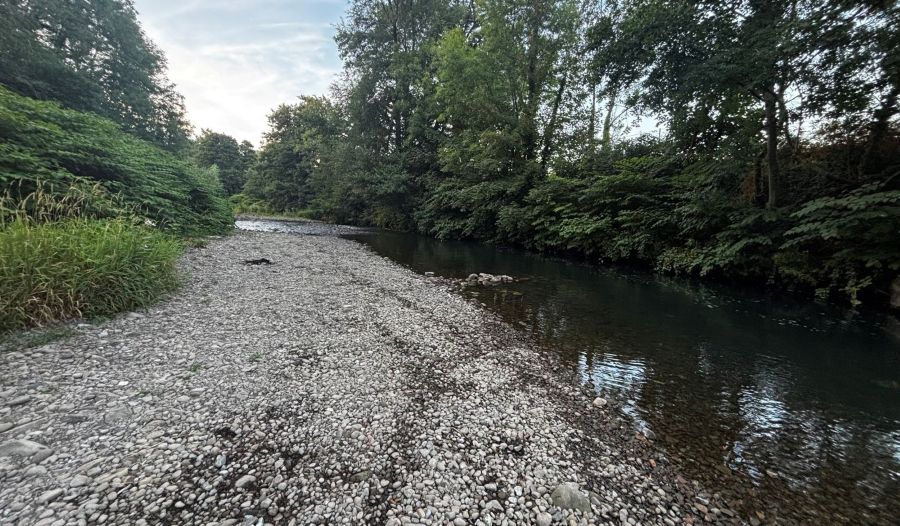
Image: The River Ebbw, NRW
Updated figures show that Wales has received just 8% of its long-term average rainfall for July. As a result, this month is on course to be the driest July in Wales since records began 190 years ago.
The majority of rivers across Wales are exceptionally low, including the Rivers Clwyd, Dyfi, Alyn, Clywedog, Dyfi, Conwy, Cleddau, Cothi, Teifi, Wye and Usk.
Groundwater levels continue to regress across Wales, with some also lower than expected for the time of year.
NRW teams are dealing with increasing reports of wide-reaching impacts to the environment, land and on agricultural activities. This includes reports of drying riverbeds, fish in distress, algal blooms, continued wildfire risk and concerns from the agricultural community about crop growth, grazing conditions and water availability for livestock.
Regulation releases, including compensation releases, are being made to support river systems, abstraction and the environment. Additional reservoir releases to these are being made in some locations to support river ecosystems and fisheries, while abstraction controls and drought response measures continue to be implemented in line with NRW's Drought Plan.
Rhian Thomas, Sustainable Water and Nature Manager at NRW, said: “The intensity of the heat and the exceptional lack of rainfall means this is a rapidly changing picture in Wales. Our teams are closely monitoring forecasts and river flows and responding to increasing environmental concerns and incidents across Wales.
“The toll on the environment, our land and agriculture is clear to see, with many of our teams still dealing with the aftermath of extensive wildfires which have devastated forestry, grassland and special habitats.
“With no strong indications for notable rainfall in the forecasts, and risks of further heatwaves over the summer, it’s more important than ever that we all use water wisely. Every drop we waste is less water for our rivers and wildlife when they need it the most.”
'Drought' is declared by NRW when a combination of indicators show a significant shortage of rainfall and water availability, resulting in impacts on rivers, groundwater, ecosystems, agriculture and land management. Water companies have their own triggers and drought definitions for public water supply.
NRW drought teams continue to meet regularly and have increased environmental monitoring across Wales.