Half of England has been declared in drought by the Environment Agency.
A large swathe of central, eastern, and southern England is now experiencing a flash drought - which develops very quickly brought about by a combination of very low rainfall and higher temperatures.
The seven areas in drought are:
- East Anglia,
- Hertfordshire and the whole of London,
- Thames Valley,
- Hampshire & the Isle of Wight.
- Devon & Cornwall,
- The West Midlands
- Wessex (covering Dorset, Somerset, Wiltshire, and south Gloucestershire)
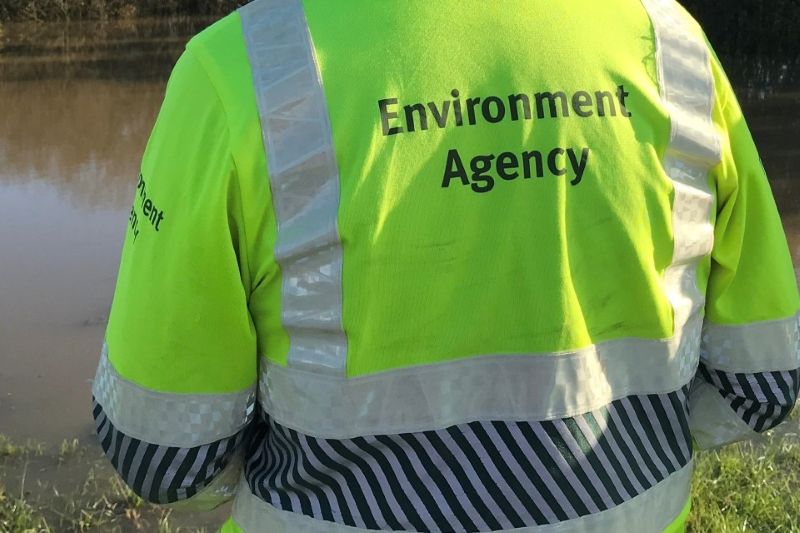
Meanwhile, drought status has now been extended across all of Wales as environment continues to feel the strain.
With very little rainfall and sustained high temperatures over the last week, conditions across Wales’ natural environment have continued to deteriorate. As a result, Natural Resources Wales (NRW) has confirmed that it is extending its drought declaration across the whole of Wales.
In England, the Environment Agency has again stepped up its operational response, including enhanced monitoring and controlling how much water can be taken from rivers and groundwaters.
Helen Wakeham, Director of Water at the Environment Agency and Chair of the National Drought Group, said: "The hot and dry weather means we are currently using water faster than nature can replenish it.
"A second consecutive summer drought is an exceptionally serious situation and one that will have long-lasting impacts on our environment, wildlife, and the economy.
"We want everyone to stay safe and hydrated during the hot weather but every drop we can save is a drop more for nature and agriculture.
Representatives from the National Drought Group - which includes the Met Office, government, regulators, water companies, farmers, Canal & River Trust, anglers and conservation experts – held a dedicated drought briefing with Water Minister, Emma Hardy.
They reviewed impacts, preparedness, and drought response actions across England, with water companies being told to prioritise fixing leaks.
There is also additional engagement with key groups, such as farmers and water companies, and cross-government work to secure supplies into the autumn.
Water Minister Emma Hardy said: "Our climate is changing, droughts are becoming increasingly common, and we need to be prepared for this new normal.
"We’re delivering long-term change in the water industry and driving record investments in infrastructure, including nine new reservoirs.
"We expect water companies to follow their drought plans, to go further and faster to reduce leaks, and to ensure supplies are not disrupted even in the driest of weather."
The current drought now means there have been three droughts in the past five years – 2022, 2025 and now 2026.
There has been a dramatic shift in our weather this year – from a very wet winter to an exceptionally hot and dry summer.
The winter rainfall helped replenish reservoirs and groundwater, helping us through a dry spring without any major impacts.
However, the summer has continued to be exceptionally hot and dry. July has seen just 7% of expected rainfall, falling to 1% across southern England - and there is no substantial rain on the way.
Combined with three heatwaves, including 12 consecutive days of temperatures above 30C, our water storage has begun to deplete. The higher temperatures also mean water is evaporating from soils and vegetation, making wildfires more likely.
A fourth heatwave is under way, and the UK Health Security Agency (UKHSA) has issued amber alerts for the East Midlands, East of England, London, and the South East.
Met Office Chief Meteorologist, Will Lang, said: "The warm and exceptionally dry conditions experienced across much of England over recent months are continuing to have a significant impact. Many areas have received very little or no rainfall throughout July, extending a period of below-average rainfall that has persisted across parts of the country since spring.
"While there are indications of occasional unsettled spells during the first part of August, bringing the chance of rain to some locations, there is currently little sign of the widespread, sustained rainfall that would be needed to make a significant difference to the areas most affected by the dry weather.
"The Met Office continues to work closely with the Environment Agency and partners across the water sector, providing expert meteorological information and forecasts to support drought monitoring, planning and response activities. "
Alongside seven areas in drought, these areas are now in prolonged dry weather:
- Kent & East Sussex,
- Cumbria & Lancashire,
- Greater Manchester, Merseyside & Cheshire,
- East Midlands,
- Lincolnshire & Northamptonshire,
- The rest of Solent & the South Downs.
Just Yorkshire and the North East remain in normal status, with the situation under close review.
The current water situation is:
- July has so-far seen 7% of its long-term average rainfall. Some parts of Devon have not experienced a rain day for 50 days and parts of Hampshire have been without for 49 days.
- Some 78% of England’s rivers are now classified as below normal or lower. A sixth of rivers are now classed as exceptionally low for the time of year.
- Some rivers are tracking their lowest river flows on record for this time of year, including River Thames at Reading and the River Cam at Dernford, Cambridgeshire.
- Reservoir storage has fallen further to 75.3% for England, around 7.4% below the long-term average for the time of year.
- Almost half are classed as below normal levels. Wimbleball (South West Water) and Blagdon (Bristol Water) reservoirs are exceptionally low.
- Soil moisture deficits last week were at record levels across the north-east, central, south-east and south-west England for this time in July.
- Seven water companies have introduced Temporary Use Bans (TUBs), for 23 million customers – around 40% of England’s population. They are: Affinity Water, Anglian Water, Cambridge Water, Southern Water, South East Water, Thames Water and South West Water.
- Prolonged dry weather is creating significant challenges for agriculture, with early cereal harvesting, reduced yields for some crops and increased field fires,
- Low river flows have led to 1,506 abstraction licence restrictions, while irrigation demand remains high. There has been a rapid decline in farm storage reservoirs with concerns for availability for the rest of the year.
- There have been 110 wildfires on Sites of Special Scientific Interest so far this year, including Dovestone and Tintwistle in the Peak District.
- Waters surrounding the UK have also been experiencing marine heatwave conditions, with sea surface temperatures remaining well above average across many coastal areas.
- Lower water levels, and a lack of rainfall to top up spawning pools, significantly impact the breeding success of species such as natterjack toads.
- Migratory fish, such as Atlantic salmon, are unable to move upstream because of reduced riverflows.
With everyone’s help in using a little less water and following restrictions, our current reserves should be enough for the coming months until the next period of sustained rainfall.
Small steps, such as turning off the taps when brushing teeth or shaving, taking a shorter shower or fixing a leaking toilet can really add up.
Work by the Environment Agency this year to support our water resources includes:
- Water is currently being released from strategic reservoirs at the top of the River Severn and from groundwaters in Shropshire to maintain flows for navigation, support the environment, and aid abstractors.
- Working with angling groups and fisheries, including funding schemes to buy aeration and monitoring equipment.
- There have been 38 fish rescues, including on the River Teme, River Onny, and River Redlake, with hundreds of brown trout, juvenile salmon, bullhead, grayling, and lamprey being moved. Members of the public can report fish in distress to the Environment Agency’s incident hotline on 0800 80 70 60.
- More compliance checks are being carried out on abstractors to ensure everyone is using water fairly.
- In the Thames area, the EA has just completed staunching Old Windsor weir to reduce leakages and support Thames Water’s abstraction downstream for London drinking water.
- Along the Thames, from St Jonn’s Lock to Osney Lock, we are limiting lock usage during the day and are closing them between 6:00pm – 9:30am, to preserve water.
- At Tuckers Pond in Faringdon, we used chemical aeration to save fish from dying as algae that had flourished in the hot and dry weather caused a crash in oxygen levels
- Working closely with the National Farmers Union, particularly in East Anglia – the country’s breadbasket, making sure all abstractors understand the latest water resources position.
- The Environment Agency continues to work with Government, including Defra and the Cabinet Office, on current and future drought response.
- The Environment Agency is a proud supporter of the Water Efficiency Campaign which launched this month: (https://letssavewater.com)